Posted on

Enhance Your Space with Mini Fridges: The Perfect Addition for Convenience and Style

Discover the incredible benefits of incorporating mini fridges into your living or working space. Explore the convenience, style, and practicality these compact appliances offer, making them the perfect addition to any environment. Unlock the full potential of your space with mini fridges today!

Introduction

In a world where space optimization is key, mini fridges have emerged as an ingenious solution. These compact appliances offer a multitude of benefits, from convenience and style to practicality and versatility. Whether you are a student, a professional, or simply someone looking to maximize their living space, a mini fridge can be a game-changer. Join us as we delve into the many advantages of incorporating a mini fridge into your environment and explore how it can revolutionize the way you store and access your favorite beverages and snacks.

The Convenience of Mini Fridges

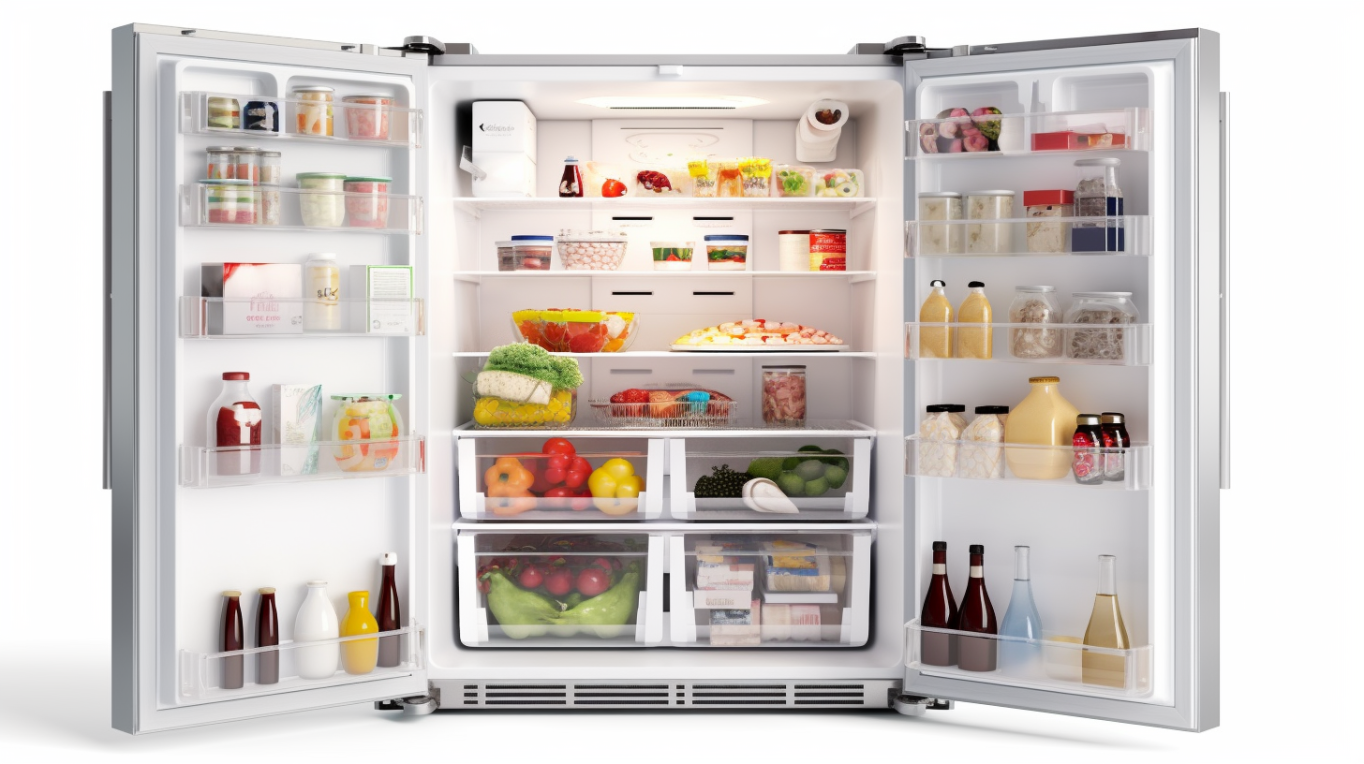
When it comes to convenience, mini fridges reign supreme. Imagine having easy access to refreshing beverages and snacks right at your fingertips, without the need to trek to the kitchen or navigate through a crowded communal fridge. Mini fridges can be strategically placed in various locations, such as dorm rooms, offices, bedrooms, or even entertainment areas, ensuring that you never have to venture far for a quick pick-me-up.

Their compact size allows for seamless integration into tight spaces, making them an ideal addition to small apartments, studios, or shared living spaces. With mini fridges, you can create a dedicated zone for your favorite refreshments, eliminating the need to shuffle items around in a communal fridge or worry about your snacks mysteriously disappearing.

Style and Aesthetic Appeal

Beyond their practicality, mini fridges also bring a touch of style to any space. Available in a wide range of designs, colors, and finishes, these appliances can complement your existing décor or add a pop of personality to a plain room. From sleek stainless steel models that exude modern sophistication to vibrant retro-inspired fridges that evoke a sense of nostalgia, there’s a mini fridge to suit every taste and aesthetic.

Additionally, some mini fridges come with customizable features, such as interchangeable panels or magnetic surfaces, allowing you to personalize your appliance further. Whether you want to display photos, artwork, or inspiring quotes, your mini fridge can become a unique canvas for self-expression while still serving its primary purpose.

Practicality and Versatility

Mini fridges offer far more than just a convenient storage solution. Their versatility makes them invaluable in a variety of situations. For students living in dormitories or shared accommodations, mini fridges provide a personal space to store perishables, snacks, and beverages, reducing the reliance on communal kitchen facilities.

Professionals working long hours or freelancers operating from home can benefit from having a mini fridge in their workspace. It allows them to keep refreshments close by, eliminating the need for frequent breaks or distracting trips to the kitchen. This enhanced productivity can make a significant difference, especially during busy or deadline-driven periods.

Furthermore, mini fridges are perfect for entertaining guests. Whether you’re hosting a movie night, a gaming session, or a backyard barbecue, having a mini fridge nearby means your guests can help themselves to chilled drinks and tasty treats without disrupting the flow of the event. Mini fridges can even be a great addition to home bars or hobby rooms, providing easy access to beverages specific to your interests.

Energy Efficiency and Cost Savings

Mini fridges are designed with energy efficiency in mind. Compared to their full-sized counterparts, they consume significantly less power, which not only helps reduce your carbon footprint but also translates into cost savings on your energy bills. Their smaller size means they require less electricity to cool the interior, making them an eco-friendly choice that doesn’t compromise performance.

Additionally, having a mini fridge allows you to be more mindful of your food and beverage consumption. By storing only what you need in a compact space, you can minimize waste and ensure freshness. You’ll no longer find forgotten items at the back of a crowded fridge, only to discard them past their expiration date. This conscious approach can lead to reduced food waste, which is not only environmentally friendly but also beneficial for your budget.

Maintenance and Care

Maintaining a mini fridge is relatively straightforward. Regular cleaning and defrosting are essential to keep it in optimal condition. Ensure you unplug the fridge before cleaning and follow the manufacturer’s instructions regarding the use of cleaning agents. Wiping down the interior with a mild detergent or a mixture of water and vinegar is usually sufficient. Additionally, periodically removing ice buildup and ensuring proper ventilation around the appliance will help prolong its lifespan.

Conclusion

Incorporating a mini fridge into your living or working space can transform it into a hub of convenience, style, and practicality. The ease of access to your favorite beverages and snacks, coupled with the versatility to adapt to various environments, makes mini fridges a fantastic addition to any space. Whether you’re a student, a professional, or simply someone seeking to optimize their living space, a mini fridge can elevate your lifestyle. Embrace the benefits of mini fridges and unlock the full potential of your space today!
Posted on

An In-Depth Look into the Appliance Manufacturing Industry: Trends, Challenges, and Opportunities

Introduction

Welcome to our comprehensive exploration of the appliance manufacturing industry. In this article, we delve into the fascinating realm of appliance manufacturing, uncovering its true essence, major players, evolving trends, and its immense impact on our daily lives. Join us as we unravel the intricate workings of this dynamic sector.

Understanding the Appliance Manufacturing Industry

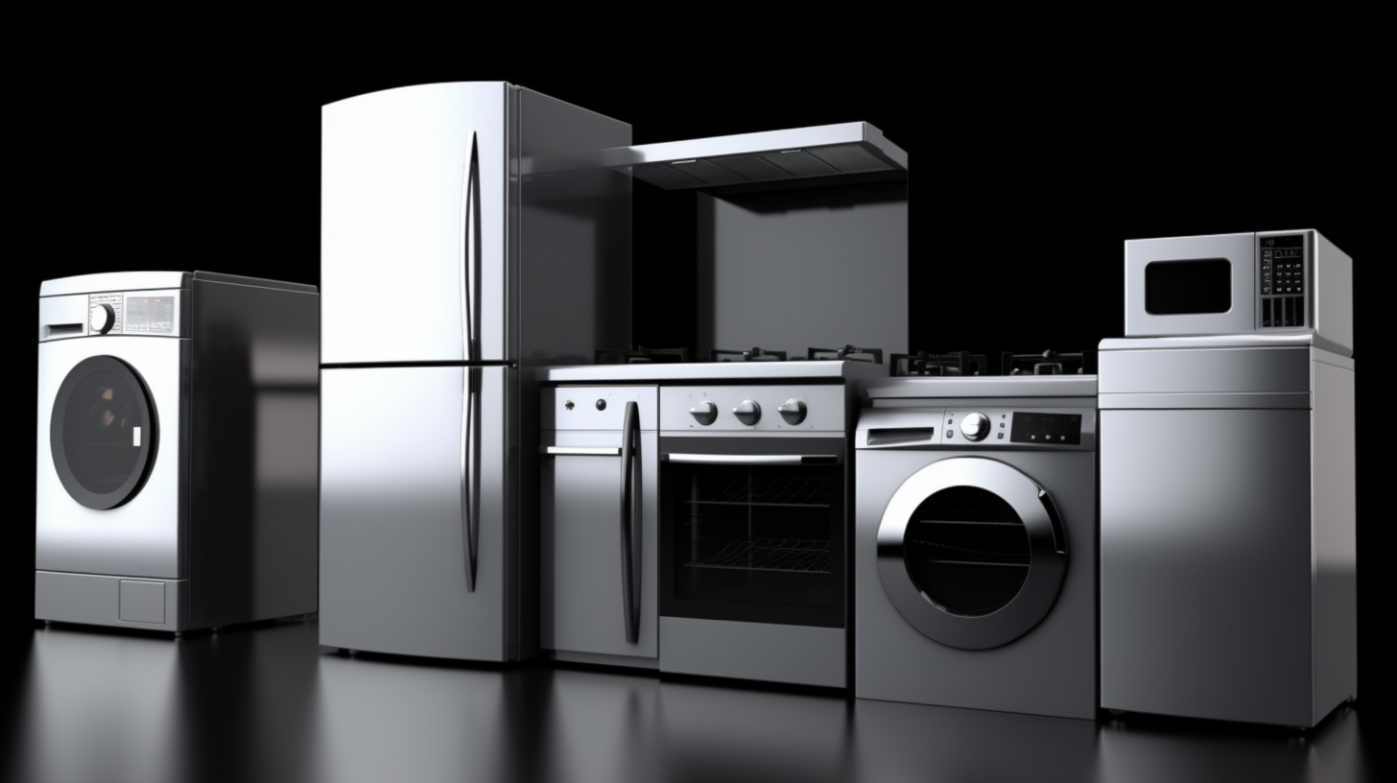
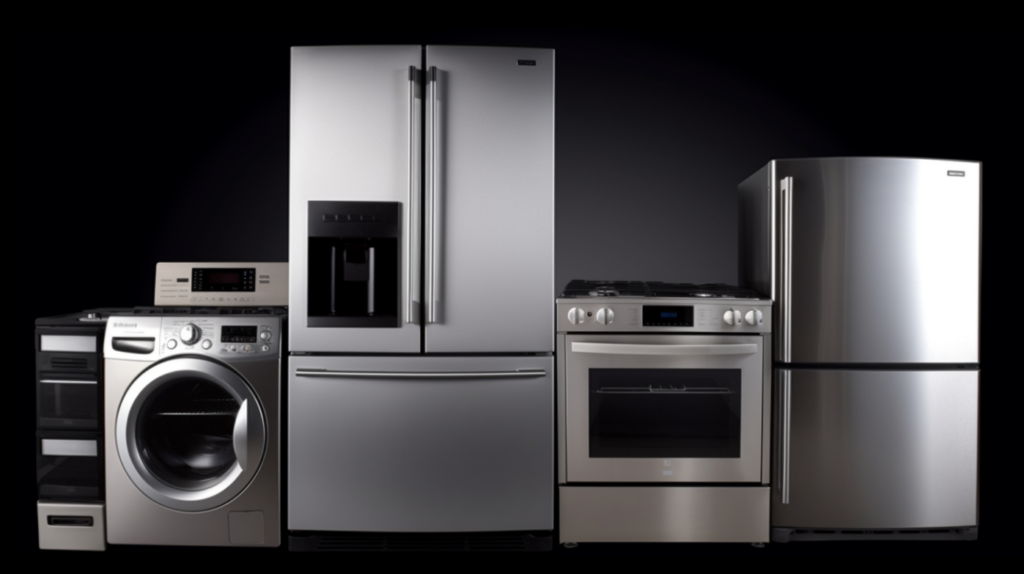
The appliance manufacturing industry plays a pivotal role in creating the products that make our lives more convenient and comfortable. It encompasses the production of a wide array of appliances, ranging from household essentials like refrigerators, washing machines, and ovens, to commercial equipment used in industries such as food service, healthcare, and agriculture.

Growth and Market Dynamics

The appliance manufacturing industry has witnessed significant growth in recent years, driven by a combination of factors. Rapid urbanization, rising disposable incomes, and technological advancements have fueled the global demand for appliances. Additionally, changing consumer lifestyles and the need for energy-efficient and eco-friendly solutions have also contributed to the industry’s expansion.

Major Players and Global Market

Leading appliance manufacturers are at the forefront of innovation and competition within the industry. Companies such as Whirlpool, Samsung, LG, Electrolux, and Midea have established themselves as key players, continuously striving to meet consumer demands and stay ahead in a fiercely competitive market. The global nature of the industry ensures that these manufacturers operate on an international scale, catering to diverse markets and adapting to local preferences and regulations.

Trends and Innovations

The appliance manufacturing industry thrives on innovation and technological advancements. With the advent of the Internet of Things (IoT) and smart home automation, appliances have become more interconnected and capable of providing enhanced functionalities. Appliances are becoming increasingly intelligent and user-friendly, from smart refrigerators that allow you to track your grocery inventory remotely to washing machines with built-in AI for optimized wash cycles.

Sustainable Practices and Energy Efficiency

In recent years, the appliance manufacturing industry has strongly emphasized sustainability and energy efficiency. Manufacturers are actively developing appliances that consume less energy and reduce environmental impact. This focus aligns with the growing awareness among consumers and regulatory bodies regarding the importance of reducing carbon footprints and conserving natural resources.

Challenges and Opportunities

Like any other industry, appliance manufacturing faces its own set of challenges and opportunities. Rapid technological advancements require manufacturers to stay updated and invest in research and development to remain competitive. Supply chain management, cost optimization, and ensuring compliance with safety standards are additional challenges that manufacturers must address. However, the industry also presents significant opportunities for growth, driven by emerging markets, product diversification, and the rising demand for smart and energy-efficient appliances.

Future Prospects

The future of the appliance manufacturing industry looks promising. As technology continues to advance, we can expect appliances to become even smarter, more intuitive, and seamlessly integrated into our daily lives. Moreover, the industry will likely witness increased collaboration between manufacturers and other sectors, such as software developers and data analytics companies, to further enhance product offerings and user experiences.

Conclusion

The appliance manufacturing industry plays a crucial role in providing us with the essential appliances we rely on every day. From refrigerators that keep our food fresh to washing machines that simplify our laundry routines, these products have become an integral part of modern living.

In this article, we have explored the multifaceted nature of the appliance manufacturing industry. We have examined its growth and market dynamics, highlighting the major players who drive innovation and competition. The industry’s constant evolution and emphasis on technological advancements have led to exciting trends and innovations, paving the way for smarter, more connected appliances.

Moreover, the industry’s commitment to sustainability and energy efficiency reflects the growing global consciousness about environmental preservation. By developing appliances that consume less energy and reduce waste, manufacturers are contributing to a greener future.

While the industry presents various opportunities for growth and expansion, it also faces challenges. Keeping up with rapidly evolving technology and maintaining cost-effective production processes require continuous adaptation and investment. Additionally, ensuring compliance with safety standards and managing complex supply chains are ongoing concerns for appliance manufacturers.

Looking ahead, the future of the appliance manufacturing industry appears promising. As consumer needs and preferences continue to evolve, manufacturers will focus on delivering innovative solutions that enhance convenience, efficiency, and connectivity. The integration of appliances with emerging technologies such as artificial intelligence, machine learning, and the Internet of Things will further revolutionize the industry.

In conclusion, the appliance manufacturing industry is a dynamic and vital sector that shapes our daily lives. Through continuous innovation, sustainable practices, and a commitment to meeting consumer demands, manufacturers contribute to the advancement of technology and improve our overall quality of life. As we move forward, we can anticipate an exciting future where appliances become even more intelligent, intuitive, and seamlessly integrated into our homes and workplaces.

Posted on

The Growth and Expansion of Midea’s Business: A Comprehensive Review

Midea Group, a Chinese home appliance manufacturer, has undergone significant expansion over the past few decades, transforming itself into a global brand. From its humble beginnings as a small workshop in Shunde, China, the company now boasts a presence in over 200 countries, with more than 30 overseas branches and 126,000 employees worldwide. In this article, we will explore Midea’s business expansion strategies and its success story.

Midea’s Early Years

Founded in 1968, Midea initially produced plastic bottle caps before expanding into the production of household appliances in the early 1980s. Its first significant product was a rice cooker that quickly became popular in China, setting the stage for Midea’s expansion into other household appliances.

Midea’s Business Expansion Strategies

One of Midea’s primary expansion strategies is its focus on innovation and research and development. The company invests heavily in R&D, spending approximately 3% of its revenue on research and development each year. Midea’s efforts in R&D have resulted in numerous patents and awards, including the prestigious German Red Dot Design Award.

Another key aspect of Midea’s business expansion is its mergers and acquisitions strategy. In 2016, the company acquired German robotics company KUKA AG, which helped Midea to expand its robotics division. In 2020, Midea acquired Toshiba’s home appliance business, strengthening its position in the Japanese market.

Midea’s focus on sustainability is also vital to its expansion strategy. The company has set a goal to reduce carbon emissions by 30% by 2030 and has launched several energy-efficient products.

Midea’s Success Story

Midea’s business expansion has been fueled by its ability to adapt to changing market conditions and consumer preferences. The company’s innovative products, such as the world’s first washing machine with a built-in air purifier, have helped to differentiate it from its competitors.

In 2020, Midea reported revenue of CNY 261.95 billion (USD 40.7 billion), representing a 7.7% increase from the previous year. The company’s net profit also increased by 10.1% to CNY 23.48 billion (USD 3.6 billion) during the same period.

Future Prospects

Midea’s business expansion shows no signs of slowing down, with the company planning to invest further in research and development, mergers and acquisitions, and sustainability. The company also plans to expand its presence in emerging markets such as Africa and South Asia.

Conclusion

Midea’s growth and expansion from a small workshop to a global powerhouse is an inspiring story of innovation, perseverance, and adaptability. The company’s focus on research and development, mergers and acquisitions, and sustainability has helped it to differentiate itself from its competitors and stay ahead of the game. Midea’s future prospects look bright, with the company continuing to invest in innovation, expansion, and sustainability.

Posted on

Midea Appliances in the Phillipines

  1. Introduction
  2. Overview of Midea Appliances
  3. Midea’s Presence in the Philippines
  4. Products Offered by Midea in the Philippines
  5. Midea’s Competitive Advantage

Midea Appliances in the Philippines

Midea Group is a leading manufacturer of home appliances and HVAC systems. The company’s global presence offers a wide range of products such as refrigerators, air conditioners, washing machines, and small kitchen appliances. In recent years, Midea has been expanding its operations in the Philippines and has become a popular brand in the country. In this article, we will take a closer look at Midea’s appliances in the Philippines and explore its market position, product offerings, marketing and distribution strategies, CSR activities, and future plans.

Overview of Midea Appliances

Midea Group was founded in 1968 and is headquartered in Foshan, China. The company has a workforce of over 150,000 employees and operates in more than 200 countries. Midea’s core business is the manufacturing and sales of home appliances and HVAC systems. In 2019, the company’s revenue was USD 39.7 billion, making it one of the largest appliance manufacturers in the world.

Midea’s Presence in the Philippines

Midea has been operating in the Philippines since 2007 and has established a strong presence in the country. The company has set up its headquarters in Pasig City and has a distribution network that covers all major cities in the Philippines. Midea Philippines is a subsidiary of Midea Group and is responsible for the marketing, sales, and after-sales service of Midea products in the country.

Products Offered by Midea in the Philippines

Midea offers a wide range of appliances in the Philippines, including air conditioners, refrigerators, washing machines, and small kitchen appliances such as rice cookers and blenders. The company also offers innovative products such as the Midea U-Shaped Air Conditioner, which provides 360-degree cooling and is designed to fit seamlessly into any room.

Midea’s Competitive Advantage

Midea’s competitive advantage in the Philippines lies in its innovative products, affordable prices, and excellent after-sales service. The company has invested heavily in research and development and has introduced several cutting-edge products that cater to the needs of Filipino consumers. Midea’s products are also priced competitively, making them accessible to a wide range of consumers in the Philippines. Additionally, Midea has a strong after-sales service network in the country, ensuring that customers receive prompt and efficient service if they encounter any issues with their appliances.

Midea uses strategic branding and packaging to make their products appeal to the Filipino community.

Posted on

Overview of Midea Appliance Company

Table of Contents

  1. Introduction
  2. History of Midea Appliance Company
  3. Midea’s Business Segments
    1. Home Appliances
    2. HVAC
    3. Robotics and Automation
  4. Midea’s Global Expansion
  5. Awards and Recognition
  6. Sustainability Efforts
  7. Product Innovation and Technology
  8. Midea’s Competitive Advantage
  9. Challenges Faced by Midea
  10. Future Outlook and Expansion Plans
  11. Conclusion
  12. FAQs

1. Introduction

Midea Appliance Company is a Chinese multinational manufacturer of home appliances, HVAC systems, robotics, and automation equipment. It is headquartered in Foshan, Guangdong Province, China. Founded in 1968, Midea has grown to become a leading brand in the global home appliances and HVAC markets, with a presence in over 200 countries and regions worldwide.

In this article, we will take an in-depth look at Midea Appliance Company, its history, business segments, global expansion, awards, and recognition, sustainability efforts, product innovation and technology, competitive advantage, challenges faced, and future outlook and expansion plans.

2. History of Midea Appliance Company

Midea Appliance Company was founded in 1968 as a small workshop in Shunde, Guangdong Province, China, by He Xiangjian. The company started with the production of bottle caps and quickly diversified into the production of household appliances. Midea’s first product was a water heater, which was introduced in 1980. In 1985, Midea launched its first air conditioner, which marked the beginning of its HVAC business.

Over the years, Midea has grown through mergers and acquisitions, expanding its product portfolio and global reach. In 2012, Midea acquired Toshiba’s home appliance business, which gave it access to the Japanese market. In 2016, Midea acquired KUKA, a German robotics and automation company, which helped it to expand its offerings in the robotics and automation sector.

3. Midea’s Business Segments

Midea has three main business segments:

3.1 Home Appliances

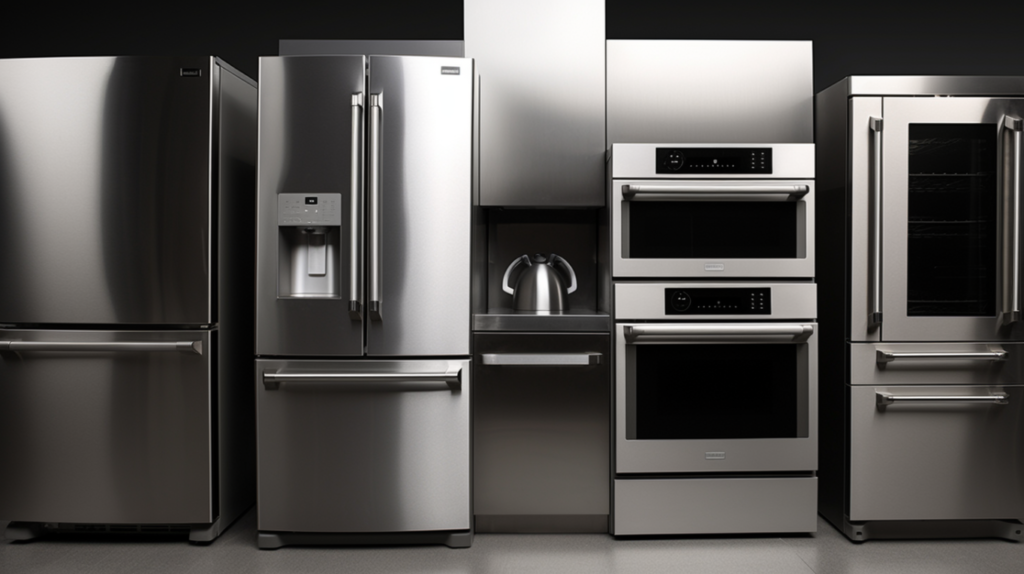
Midea is one of the world’s largest manufacturers of home appliances, offering a wide range of products, including refrigerators, washing machines, dishwashers, ovens, vacuum cleaners, and small kitchen appliances. Midea’s home appliances are known for their innovative design, energy efficiency, and affordability.

3.2 HVAC

Midea is also a leading manufacturer of HVAC systems, offering a range of products, including air conditioners, heaters, ventilation systems, and commercial refrigeration systems. Midea’s HVAC products are known for their energy efficiency and high performance.

3.3 Robotics and Automation

Midea is a major player in the robotics and automation sector, offering a range of products, including industrial robots, service robots, and automation equipment. Midea’s robotics and automation products are used in industries such as automotive, electronics, and logistics.

4. Midea’s Global Expansion

Midea has a strong global presence, with operations in over 200 countries and regions worldwide. The company has over 34 manufacturing bases and 100 logistics centers globally. Midea’s international expansion has been driven by a combination of organic growth and acquisitions.

Midea has established a strong presence in the Southeast Asian market, where it has built a significant manufacturing and R&D infrastructure. In Europe, Midea has acquired several companies, including KUKA, Toshiba’s home appliance business, and Clivet, an Italian HVAC company. In the United States, Midea has established a research and development center in Silicon Valley, California.

5. Awards and Recognition

Midea has received numerous awards and recognition for its business performance, product innovation, and sustainability efforts. In 2020, Midea was ranked 307th on the Fortune Global 500 list, and it was also listed as one of the “World’s Most Innovative Companies” by Forbes. Midea has also received recognition for its sustainability efforts, including being named to the Dow Jones Sustainability Indices (DJSI) for four consecutive years.

6. Sustainability Efforts

Midea is committed to sustainable development, and it has implemented various initiatives to reduce its carbon footprint and promote environmental responsibility. The company has set a target to reduce its carbon emissions by 20% by 2025, and it has also launched a “Green Midea” campaign to promote sustainable living and reduce waste.

Midea has also invested in renewable energy sources, such as wind and solar power, and it has implemented energy-saving technologies in its products to reduce energy consumption. In addition, the company has established a green supply chain management system to promote sustainability throughout its supply chain.

7. Product Innovation and Technology

Midea is known for its focus on product innovation and technology. The company invests heavily in research and development, with over 20,000 R&D personnel worldwide. Midea has established several research and development centers in China, Europe, and the United States, where it develops cutting-edge technologies for its products.

Midea’s products are known for their innovative design and advanced features. For example, the company’s air conditioners use intelligent algorithms to optimize energy consumption, and its refrigerators have smart sensors that monitor food freshness and adjust temperatures accordingly. Midea has also developed a range of smart home appliances that can be controlled through a mobile app.

8. Midea’s Competitive Advantage

Midea’s competitive advantage lies in its strong focus on product innovation and technology, its diversified product portfolio, and its global reach. The company has a well-established brand in the home appliances and HVAC markets, and it has expanded into the robotics and automation sector, which provides additional growth opportunities.

Midea’s focus on sustainability and environmental responsibility also gives it a competitive edge, as consumers become increasingly conscious of the impact of their purchases on the environment.

9. Challenges Faced by Midea

Midea faces several challenges in the global market, including intense competition from established players such as Samsung, LG, and Haier. In addition, the COVID-19 pandemic has had a significant impact on the global economy, which has affected Midea’s business operations and supply chain.

Midea also faces challenges in terms of brand recognition in some markets, particularly in the United States and Europe, where it is less well-known than its competitors.

10. Future Outlook and Expansion Plans

Midea’s future outlook is positive, with the company expected to continue its growth trajectory through a combination of organic growth and acquisitions. The company has set a goal to become one of the top three home appliance brands globally by 2025.

Midea’s expansion plans include a focus on the Southeast Asian market, where it sees significant growth potential. The company is also expanding its offerings in the robotics and automation sector, with a focus on service robots for healthcare and elderly care.

11. Conclusion

Midea Appliance Company is a global leader in the home appliances, HVAC, and robotics and automation sectors. The company’s strong focus on product innovation, technology, and sustainability has given it a competitive edge in the global market. Midea’s expansion plans and focus on the Southeast Asian market and the robotics and automation sector provide additional growth opportunities for the company.

Posted on

Midea Group | Philippines

Midea Group Co., Ltd. is a Chinese multinational home appliances and consumer electronics company. It is headquartered in Beijiao, Shunde, Foshan, Guangdong, China. The company designs, develops, manufactures and sells a wide range of home appliances and consumer electronics products, including air conditioners, refrigerators, washing machines, kitchen appliances, small appliances, and other products.

Midea has a wide global presence and operates in more than 200 countries and regions, with manufacturing facilities in China, Asia, Europe, and America. The company has grown rapidly since it was founded in 1968 and is now one of the largest home appliances and consumer electronics companies in the world.

Midea has several subsidiaries including KUKA AG, a German robotics company, Midea Air-conditioning Equipment Co., Ltd, and Midea Real Estate Co., Ltd. The company has also acquired several companies such as Toshiba’s white goods business, German robotics firm KUKA AG and the home appliance business of the French company, Schneider Electric.

In terms of sustainability, Midea has also made commitments to reduce its environmental impact and improve energy efficiency in its products and operations. The company also focuses on promoting a circular economy, by recycling and reusing materials, and reducing waste.

In conclusion, Midea Group Co., Ltd. is a Chinese multinational home appliances and consumer electronics company. It operates in more than 200 countries and regions, with manufacturing facilities in China, Asia, Europe, and America. The company has grown rapidly since it was founded in 1968 and is now one of the largest home appliances and consumer electronics companies in the world, with a wide range of products and a global presence. Midea also focuses on sustainability and has commitments to reduce its environmental impact and improve energy efficiency in its products and operations.